From Tragedy to Triumph: The Soweto Uprising’s Impact on African Children’s Rights
The Soweto Uprising of 1976, also called the June 16th Uprising, was a pivotal event in South Africa. Thousands of students protested the apartheid government’s mandate to use Afrikaans as the language of instruction in Bantu schools. The uprising led to the deaths of numerous students and became a significant milestone in the battle against apartheid. This tragic event served as a symbol of the fight for freedom, equality, and justice in South Africa’s history.
To commemorate the 1976 Soweto Uprising and honor the bravery and sacrifice of the African children who participated in the protests, the African Union (AU) established the International Day of the African Child.
This day, celebrated annually on June 16th, serves as a reminder of the challenges African children face and aims to advocate for their rights and well-being. The International Day of the African Child emphasizes the importance of protecting children from violence and ensuring their participation and freedom of expression. It provides an opportunity to raise awareness about these issues and celebrate the progress made in realizing the rights of African children.
Addressing Challenges and Promoting Child Safety: Photo Highlights from the Day of the African Child Celebration in Tanzania
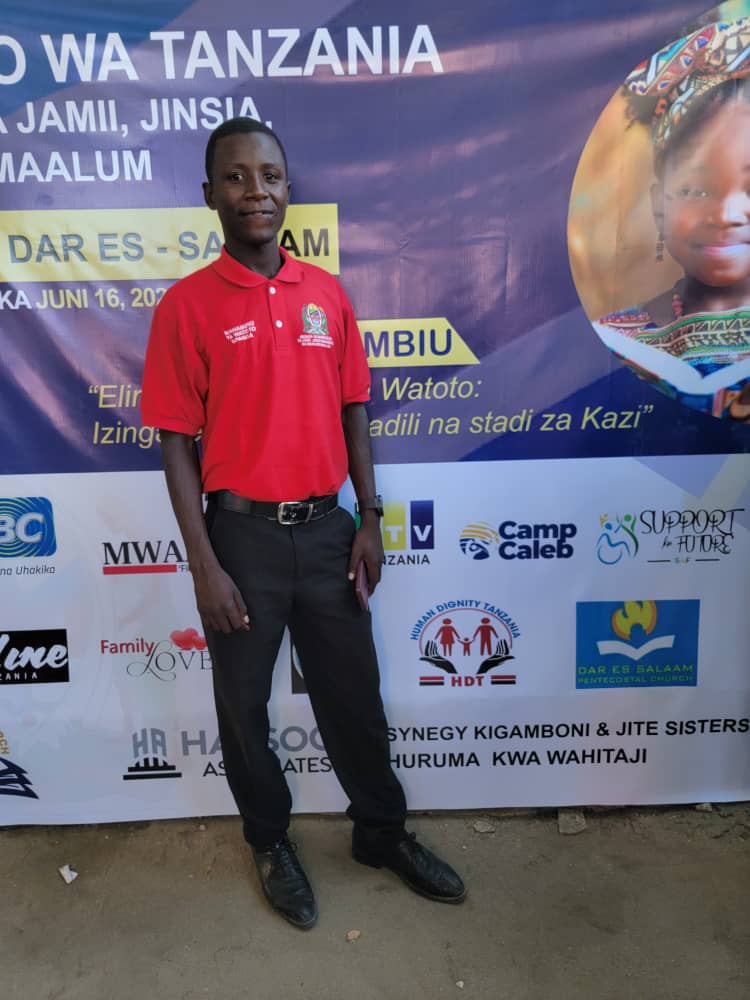
A former resident of the Upanga Children’s Retention Home, who is now farming and serving as a pastor in his village in Tanga, had the honor of delivering the opening prayer, during the Day of the African Child Celebration at the facility.
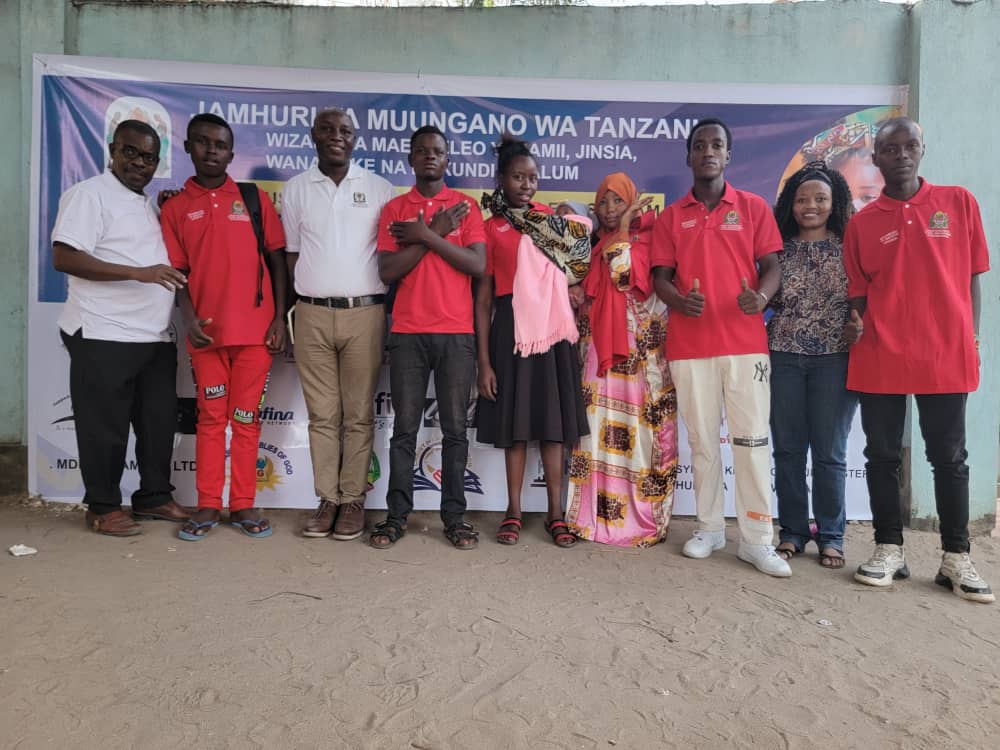
The Guest of Honor Bishop and Sheikh Majaliwa’s joint cake-cutting ceremony at the Day of the African Child Celebration in the Upanga Children’s Retention Home symbolized unity and a positive gesture. This significant moment was witnessed by the children, along with other invited guests, emphasizing the spirit of the event.