
1.1.1 Star of Hope Initiative
The Star of Hope Initiative was created with the purpose of providing support to children as they embark on a journey of self-discovery and purpose in life. With a specific focus on youth aged 11 to 22, who find themselves in a transitional stage between childhood and adulthood, the initiative strives to bring about lasting and positive change in their lives. The ultimate goal is to empower these young individuals to become leaders and role models in their communities and beyond.
The initiative firmly believes that once these individuals undergo personal transformation, they have the potential to serve as mentors for others. By transcending their own identities and egos, they can guide and inspire others on their own paths of self-discovery and growth. The Star of Hope Initiative is dedicated to fostering a generation of empowered and compassionate individuals who can make a difference in the lives of others.
Addressing Root Causes for Positive Growth
Children within the targeted age group (11-22) is characterized by a loss of enthusiasm and disinterest, particularly during the transition to adolescence.
- They often lose interest in activities they once enjoyed and may resist participating in family, school, or community engagements.
- The influence of family dynamics plays a significant role in this, with broken homes, inadequate parenting, economic instability, substance abuse, and domestic violence contributing to juvenile delinquency in Tanzania.
- Children who are abandoned or searching for a better life in urban areas face the harsh realities of urban life, leading some to engage in criminal behavior for survival.
- The lack of adequate support structures to help young people navigate their development exacerbates these issues.
Poor parenting, the pressures of urban life, and a lack of quality time spent with parents and elders contribute to the identity crisis experienced by today’s youth. Traditional child-rearing practices have also diminished, leading youths to experiment with roles and privileges they are ill-prepared to assume responsibly. As a result, a range of challenges, including teenage pregnancies, unsafe abortions, substance abuse, bullying, LGBT issues, juvenile delinquency, and the emergence of deviant gangs, arise. Addressing these challenges requires the implementation of support systems and interventions that tackle the root causes and provide guidance and opportunities for positive development.
Navigating the Challenges of Youth Development
Throughout our journey in life, we often find ourselves thirsting for meaning when we encounter crossroads and are unsure of which path to choose, leading us to question, “what’s the point?” However, as we embark on this journey, the different layers of life’s experiences unfold, guiding us to discover our true significance through the various processes that shape our destiny.
To tackle these challenges, NCCT has launched a program with a carefully designed syllabus aimed at liberating individuals from the constraints of their current circumstances, as mentioned in Matthew 6:13. This program serves as a platform for people to receive spiritual deliverance through prayer and teachings from the Word. It empowers them to unlock their purpose, relevance, significance, knowledge, breakthroughs, and gain a vision of what God desires for them and from them.
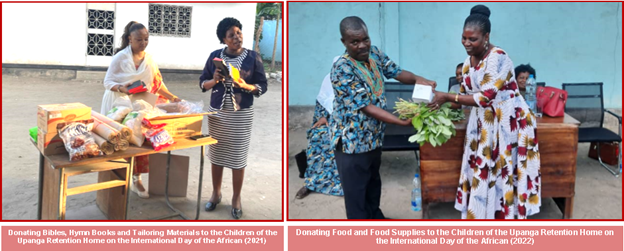
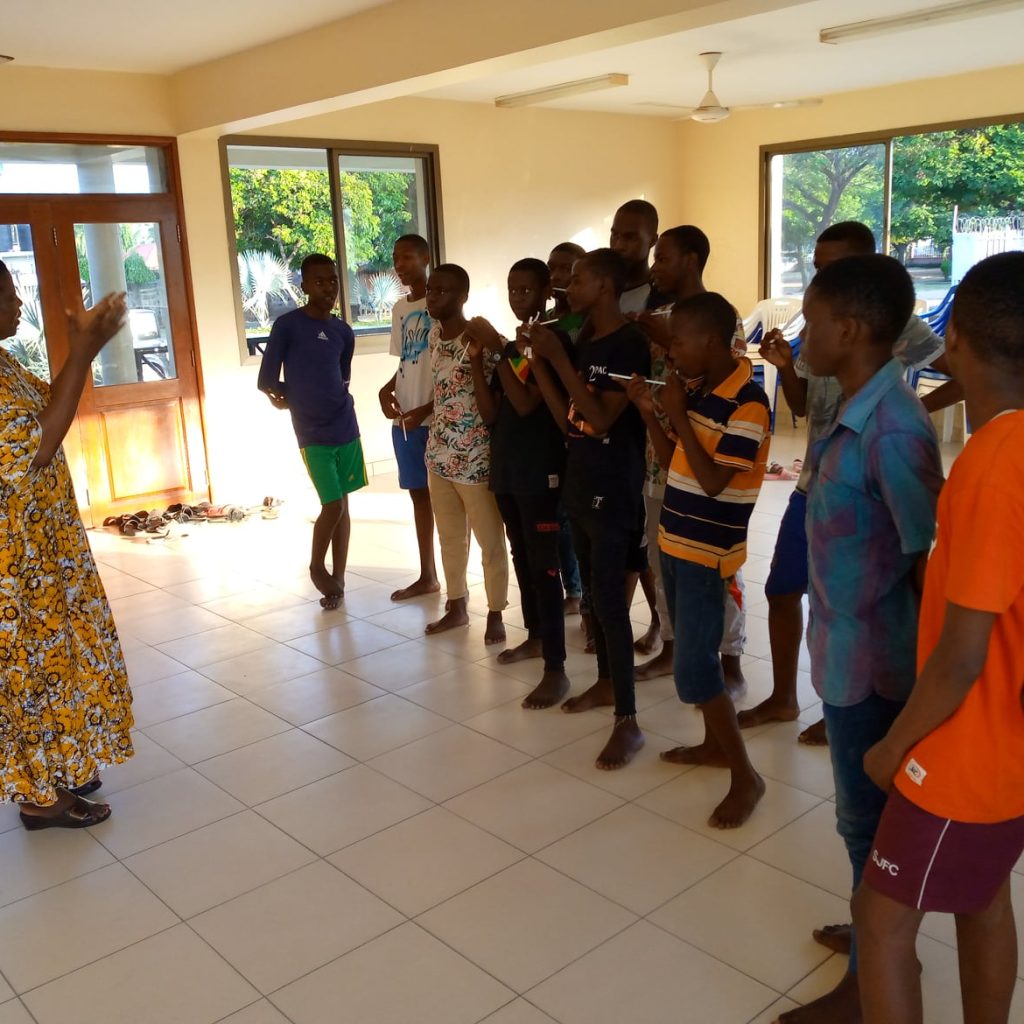
Our initial strategy involved identifying a suitable group of children in a specific location to implement our program, closely monitor their progress, and evaluate the outcomes. After careful consideration, we chose the Upanga Children’s Retention Home as the implementation site for our program as it provides a diverse age range of youths within our target demographic. One advantage of this center is the close monitoring and supervision they receive, even after being discharged, thanks to the dedicated social workers.
We recognize that, like many of us, these children have a deep desire to discover their purpose and significance in life. Our ultimate objective is to transform their mindset, helping them realize their worthiness and the love that surrounds them. Ultimately, we aspire to create sustainable and positive change in the lives of these children, even after their time in the juvenile detention centers, with the hope of nurturing them into future leaders whom other children and youths can admire and emulate.